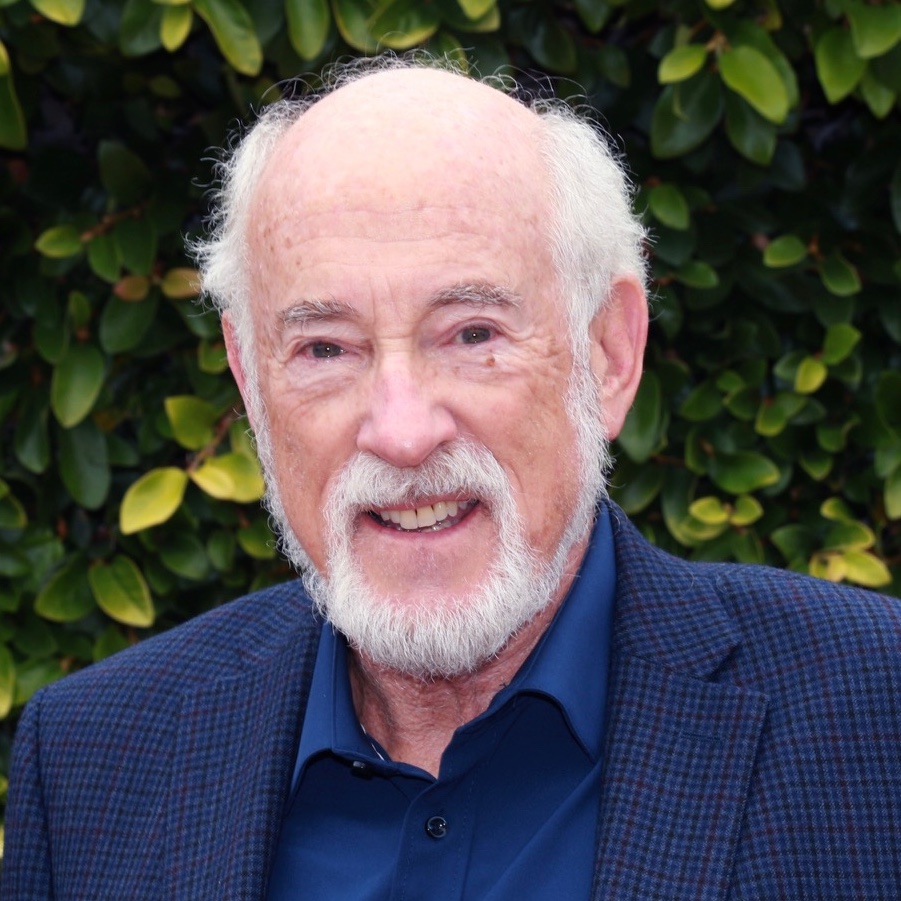
Our department had the recent pleasure of chatting with Michael Holland, one of our donors, a New Venture Program mentor, and longtime supporter of the department. Read on to learn more about Mike’s background, what brought him to Technology Management, what he’d like to tell other donors, and more.
Q: Can you introduce yourself to our readership and provide a bit of your background?
A: I'm a retired engineer and CEO of an international company, Holland Electronics. I started off doing biomedical equipment, and then somehow fell into communications and television work, at which point I bumped into people who wanted to start a company importing TV equipment. It was an American stock exchange company, and I became vice president of that, then president. Eventually, I started a company that manufactured cable TV satellite equipment and internet equipment; we designed it here, manufactured it in Asia, and sold it all over the world. Sometimes, you're in a lucky place at the right time. And as people know, cable TV channels, satellite channels, all that's increased for 20 years–and so I was at the right place at the right time and built a big international company.
Q: What is something surprising that our readership might want to know about you?
A: I sort of wanted to be a rock star when I was 18 and quit college and go on the road with a rock band. I was playing in New York City in clubs. And my family said, "You suck. We'll kill you. You'll never earn a living." At which point, I had to pick from a couple of choices. And I picked engineer, because I was always like a tinkerer. And I guess, looking back, that worked out best because I was not ready to be a rock star.
Q: How did you first hear about the Department of Technology Management?
A: I actually did a lecture here for Technology Management 15-16 years ago to engineers on how to network with Asian companies for manufacturing. I thought I'd be showing up to a small round table with 10 people, and I ended up being in one of your classrooms with TVs, cameras, and all these people! This was either at the beginning of Technology Management or whatever the program was before it. I believe I saw an advertisement for the New Venture Competition, and I came to one of those and got talked into becoming a mentor.
Q: What got you interested in working with the department or excited about the department?
A: I was an entrepreneur, and I saw that the advantage the United States has or had was the “entrepreneurial spirit”–to be able to take technologies and make them into startups, actual companies providing jobs. It's one thing just to have a technology that you've developed at the university, but if you can't turn it into a company that makes it and employs people, what good is it? For a while, I said the entrepreneurial spirit is what keeps us ahead of the game. I had teams of engineers working for me, and I couldn't promote any to managers because they didn't have the skill as a technical manager. They were designers; and if I got a manager who was not technical, they didn't work well together. So I became interested when I heard of Technology Management actually training technical people to be managers, which was a big gap in the United States development system. It was also the development of the New Venture Program.
Q: What are some of the key priorities that you like to help the department achieve?
A: Get more students involved with entrepreneurial studies.
Q: What continues to bring you back to our department?
A: The department is doing all the things needed to make America excel, both with developing technical managers and the entrepreneurial side. . . even if they work for a company that's doing new things, the year that they put into the program gives them the edge because they know what to do with new developments. And that's rare. So this part of the education, even though it's not a, say, physics degree, is so valuable for anyone that wants to do something other than just, you know, work in a closed room as an accountant.
Q: If you could give advice to students entering the business world today, what would you say?
A: Work hard. Luck strikes for those who are prepared. Learning entrepreneurial skills is the key to anything you're going to do. Whether you're working in a group with a new idea, it teaches you to communicate and to validate how to approach a successful goal. I would say
learn your skill, your trade, whatever it happens to be–but this aspect of it will get you to be successful.
Q: If you could give any advice to other donors or potential donors, what would you say?
A: You owe it to help develop new entrepreneurs and new technical managers who can take companies and develop new jobs, develop technologies, etc. You owe it to this program to give back what it's given you, or what you've been given by business.
Q: Are you associated with any other organizations outside of your involvement with the Department of Technology Management that you'd like to highlight?
A: I volunteer for a number of nonprofits that help youth get to the “starting line of life”—Notes for Notes, the YMCA—after that, it's up to them, but it's unfair if they've started off with disadvantages such as disabilities, low self-esteem, etc. To help bring them to the “starting point” is really an exciting thing to do.
Q: Are there any other comments that you'd like to share for your piece?
A: I'd like to see the Technology Management program, New Venture Competition, etc. greatly expand in the university. I think this deserves a real boost because it will take every graduate of technology, anywhere, and it will boost up their ability to succeed. And I'd like to see the university and donors putting more effort to this, and the department growing.